ELA
DEDICATED TEST BED FOR ELECTRONICS
TO DATE
COMPUTERS
TURNAROUND
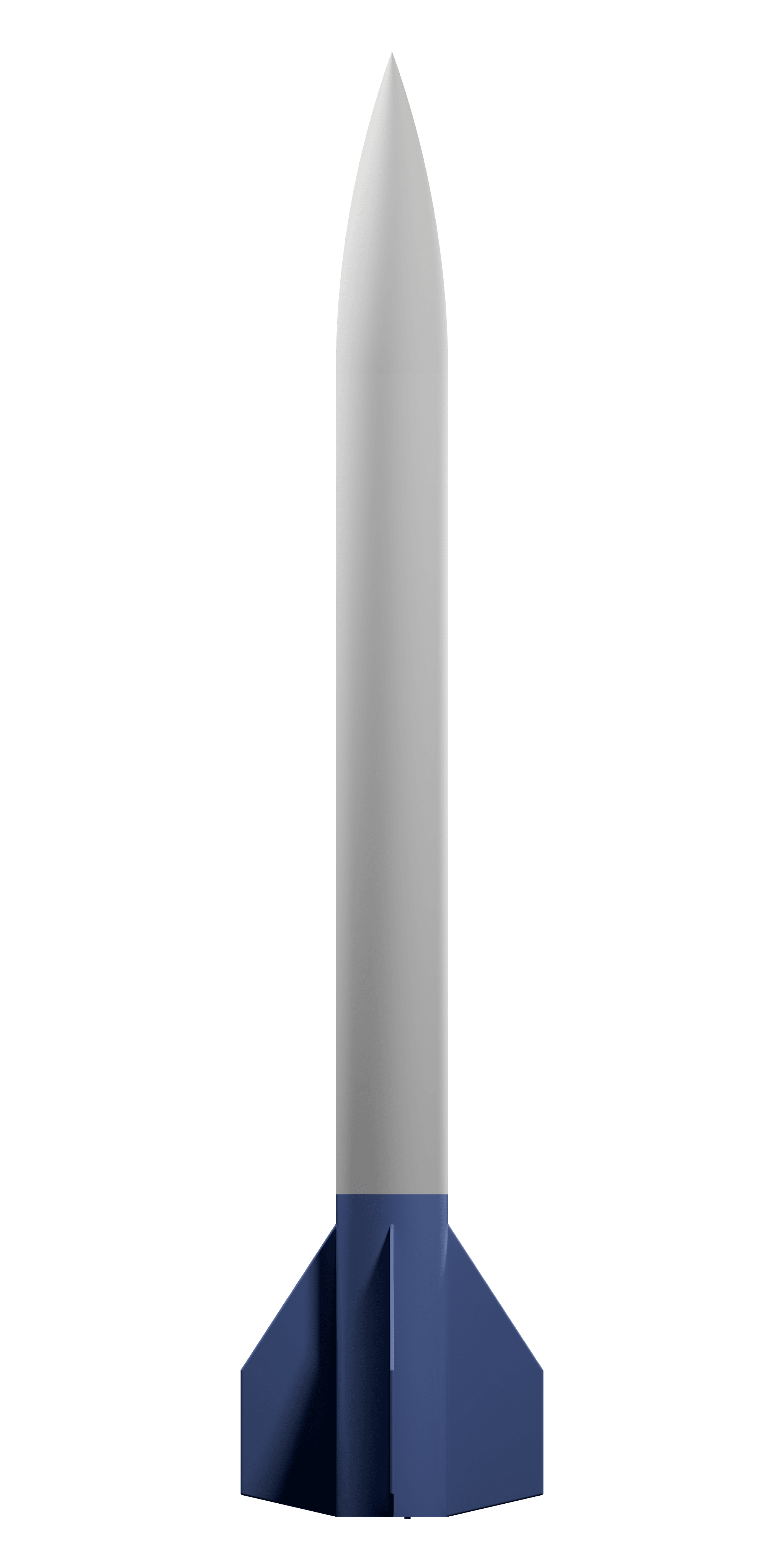
OVERVIEW
1 m
76 mm
1,2 kg
425 g
300 m
Glass Fiber
HISTORY
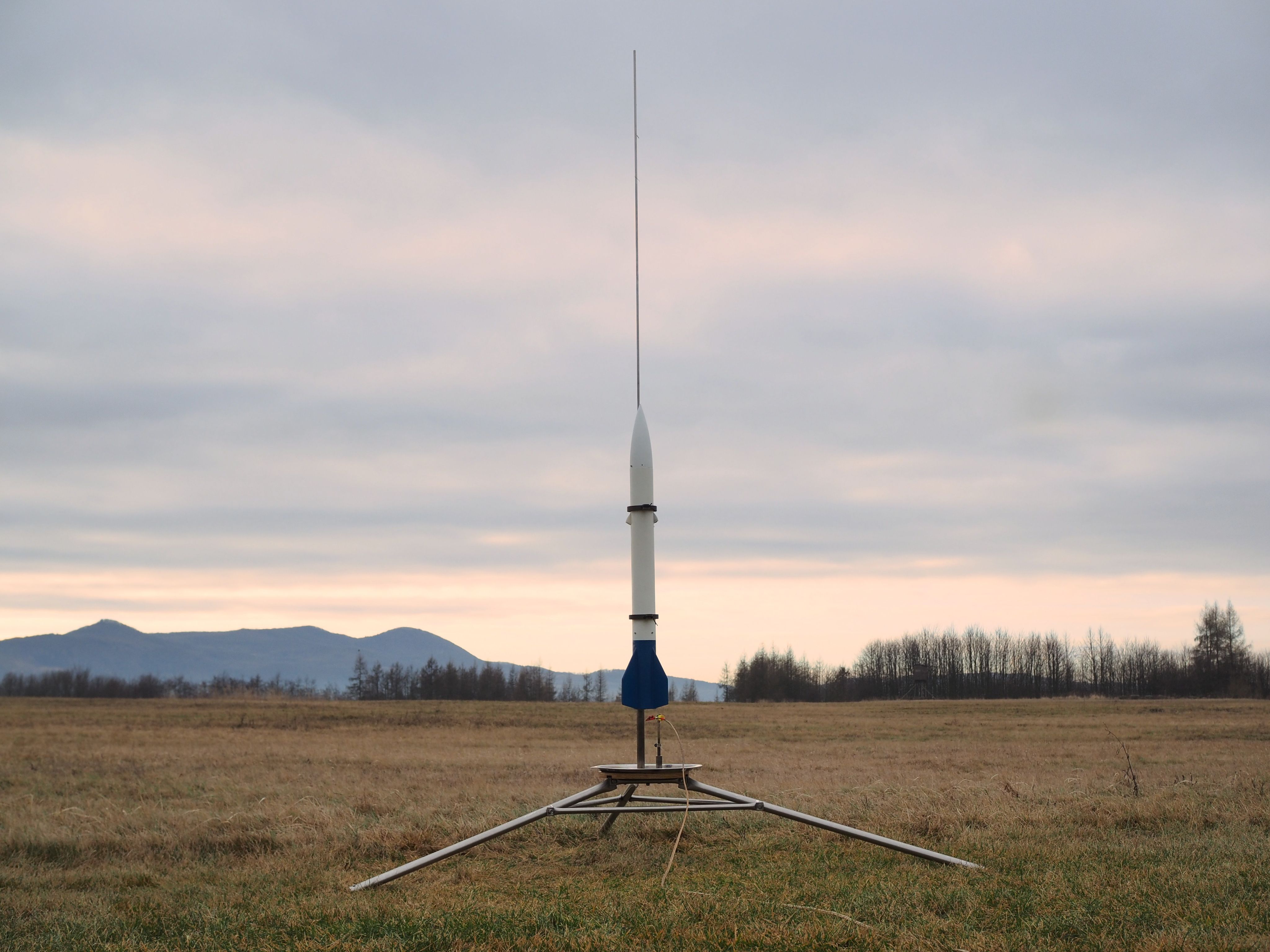
Work on the ELA rocket began in the fall of 2024 with the aim of creating a versatile testing platform for electronics development. From the very beginning, the project was guided by three main goals: to design the simplest possible structure to enable rapid production, to ensure sufficient capacity for a wide range of experiments, and to reach an altitude of just under 300 meters—the highest possible without requiring a special permit.
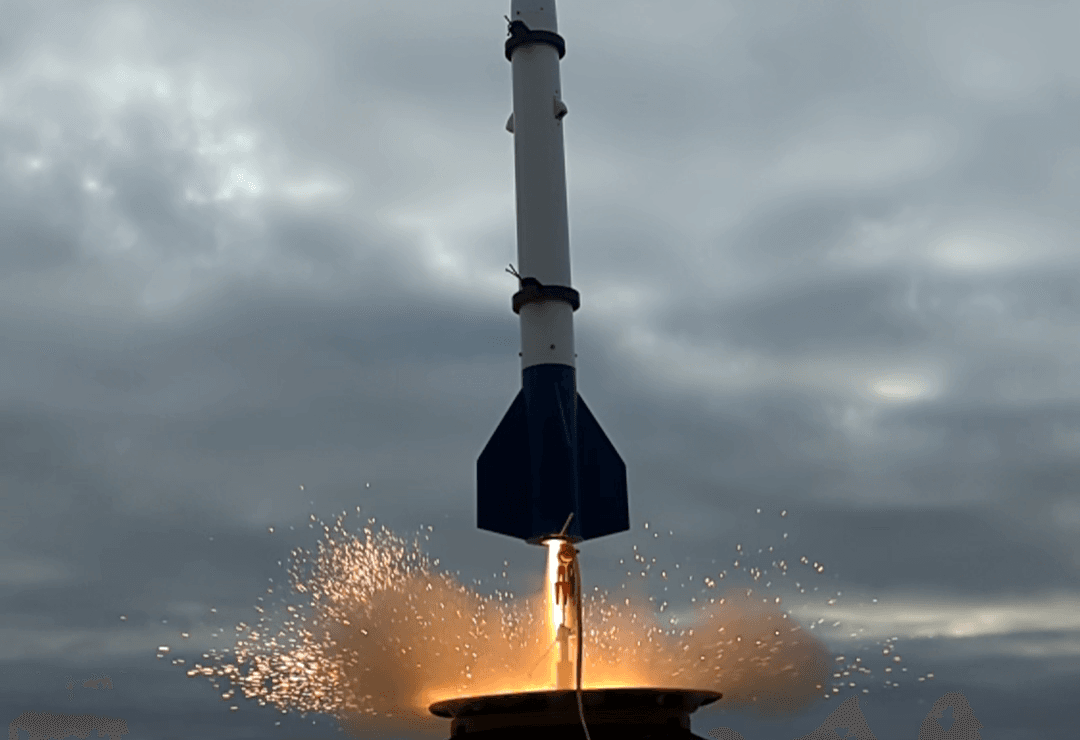
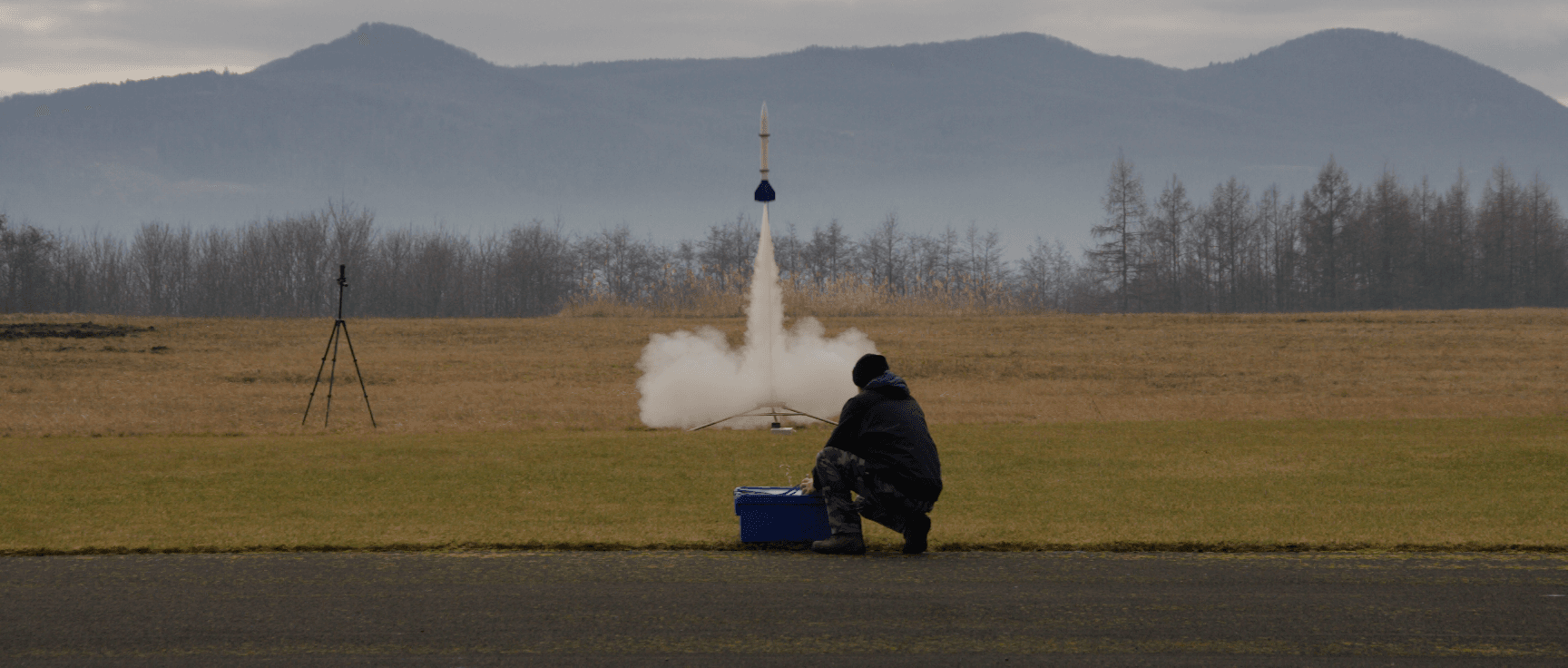
Within approximately six weeks, the rocket was fully designed and assembled, after which attention shifted to the development of the electronics. The first flight test took place on February 1, 2025, when ELA carried a flight computer demonstrating the ability to record and live-stream video during flight. The flight was successful, and further test flights followed throughout the spring.
THE EVERYTHING ROCKET
ELA was not originally intended to be a long-term project. It was created as a simple test platform for developing and validating new flight computers and related systems. The goal was to build it quickly, use it for a few tests, and then make way for more advanced projects.
Over time, however, it became clear that ELA possessed qualities that made it something much more. Thanks to its ideal dimensions, simple construction, low weight, and high durability, it became an exceptionally practical and reliable platform. Easy manufacturing and repairs enabled rapid iterations and frequent deployment, leading ELA to significantly exceed the expectations we had for it at the outset.
Over more than a year of operation, ELA served as a universal test rocket for a wide range of technologies, not just our own avionics. For example, ejection systems for the CALA rocket and a water tank for the Dart rocket were tested on it, as well as a number of other structural and system solutions. ELA thus became key to validating ideas before their deployment in more complex rockets.
It also played a crucial role in refining manufacturing processes. It was on ELA that we optimized processes with an emphasis on speed, simplicity, and repeatability of production. These experiences were subsequently applied to all subsequent projects and became the foundation of our current approach to development.
ELA was never intended to be a temporary solution; it simply turned out to be so well-designed that it could handle much more than originally expected. As a result, it has become our most widely used rocket.