ABOUT US
SoRC is a student team focused on developing affordable suborbital rockets.
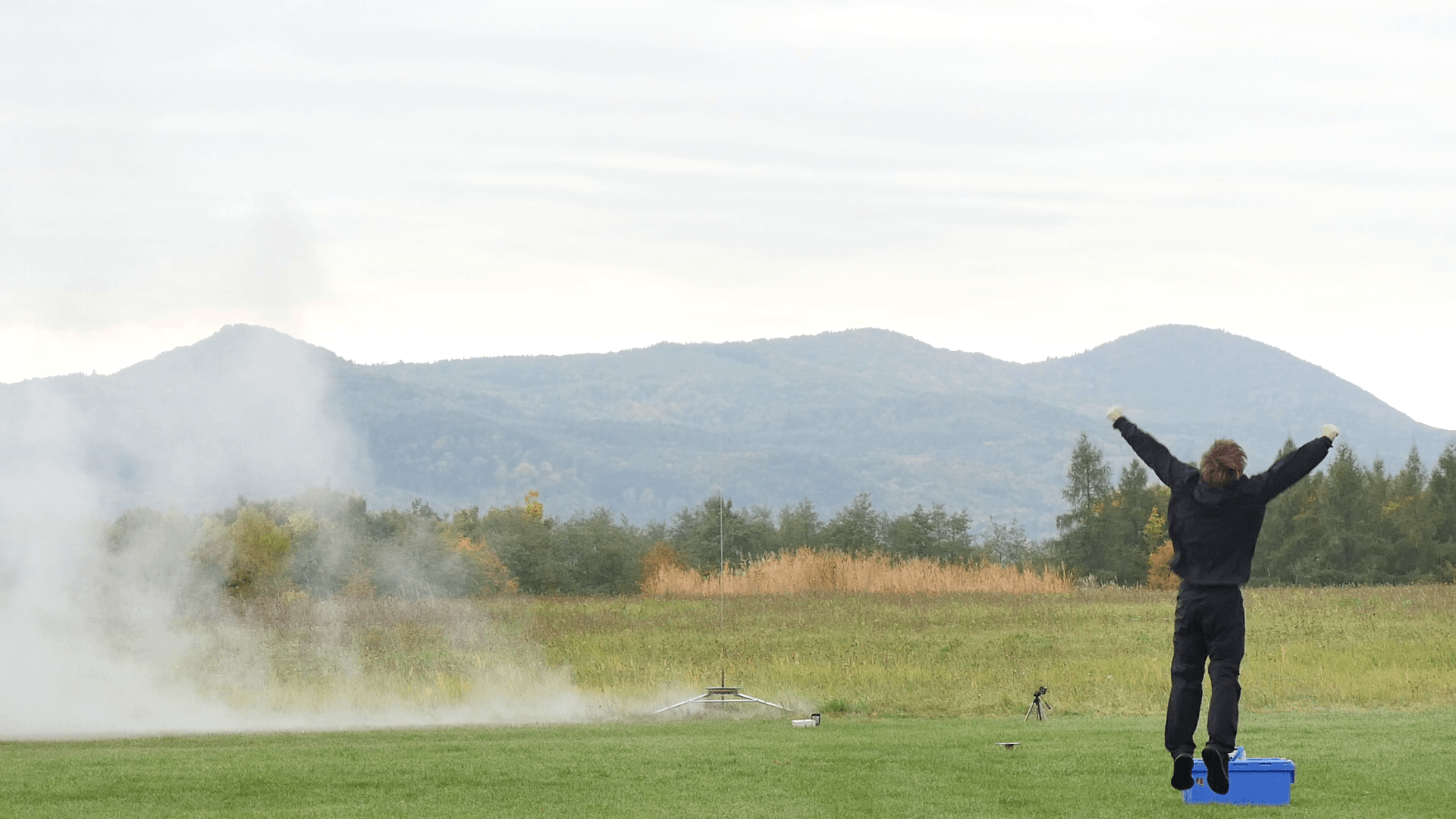
The SoRC team traces its origins to late 2023, when we were founded under the name Hermes. From the very beginning, we were driven by a passion for rocket technology, experimentation, and a willingness to learn through hands-on experience. Our first project was the Doge rocket, with which we set a clear goal: to participate in the Czech Rocket Challenge and see how we stack up against others in rocket science.
During our preparations for the Czech Rocket Challenge in the summer of 2024, we expanded our team to include a fourth member. This allowed us to divide the work more efficiently and devote more attention to technical details and the development process itself. The result was not only a successful participation in the competition but, above all, a 3rd-place finish in the advanced category—even though we were still “beginners.” We achieved this success through collaboration, careful preparation, and the ability to solve problems immediately. It became a significant milestone for us and confirmed our potential for the future.
After the competition ended, we didn’t slow down. On the contrary, we immediately applied the experience we gained to further development and more ambitious projects. While working on the new ELA rocket, a fifth member joined us, which allowed us to better divide roles and expand our technical expertise. We gradually became more professional and began to emphasize not only the rocket flight itself but also system reliability, safety, documentation, repeatability, and the public presentation of our projects.
With this team, we participated in the Czech Rocket Challenge 2025 with the Dart rocket, which became the most advanced design in the team’s history and, at the same time, the most technologically advanced rocket in the entire competition, even when compared to university teams. The Dart project was the result of long-term development, testing, and a systematic approach that clearly demonstrated how far we had come in a short period of time.
Over the summer, a sixth and, for now, final member joined us, solidifying our core team. Our team has thus become international, spanning from Prague through Ústí nad Labem to Dresden. This brings a broader spectrum of experience, different approaches to problem-solving, and a natural competitiveness that positively impacts our work and results.
Today, we stand on a solid foundation of successful competition projects, strong team spirit, and a clear vision for further development. Past successes are not our goal; our main driving force remains continuous improvement, pushing technical boundaries, and the desire to build ever more advanced rockets.
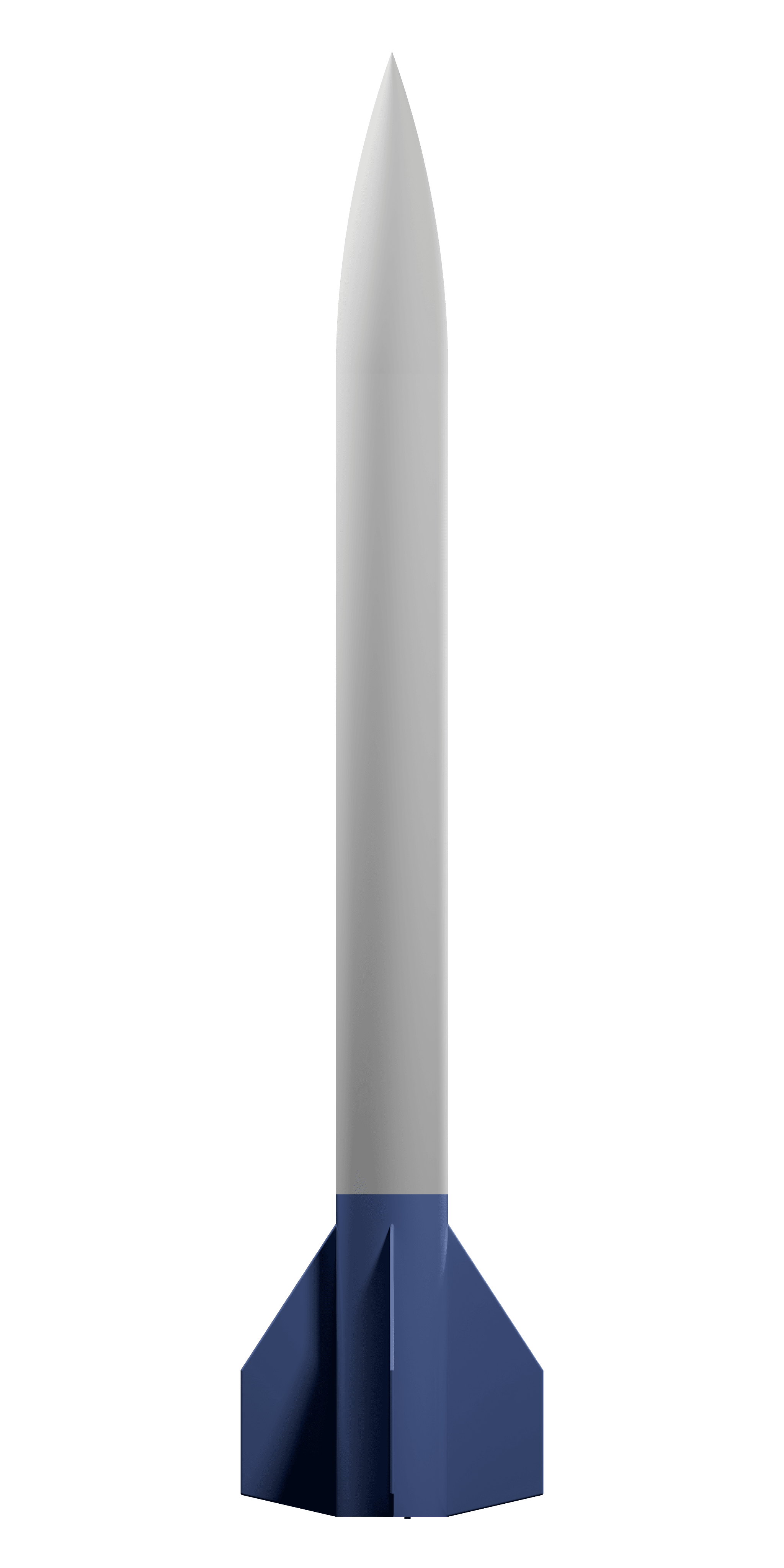
Thanks to significant advances in technology and its growing accessibility, we have been able to significantly lower the barriers that prevent students from entering the world of space activities and engineering. Our goal is to make these fields accessible to the widest possible range of young people and enable them to gain practical experience with real-world technologies while still in school. This approach is particularly reflected in the CanSat Junior project, which is designed for elementary schools and after-school clubs and introduces students to the basics of electronics, programming, physics, and teamwork in an accessible and entertaining way.
In addition to educational activities, we also develop and operate launch systems that have become the most reliable in the Czech Republic for launching CanSats and other small scientific payloads. Thanks to our emphasis on safety, reliability, and flight repeatability, we provide schools, students, and research teams with a platform where they can test their experiments under real flight conditions, thereby pushing the boundaries of student research and technical education.